Disadvantages of an infrared sauna — what to know before use
Disadvantages of an infrared sauna — 7 risks and how to solve them
Infrared saunas have become hugely popular in recent years. But honesty is the best policy — there are also disadvantages and risks you should take into account beforehand.
In this article we discuss the 7 main disadvantages of an infrared sauna, who should avoid using one, and how you can easily prevent most of the risks.
Are there disadvantages to an infrared sauna?
Yes, there are. But the good news: most disadvantages are easy to prevent if you know what to look out for. Before we discuss them, it's worth knowing what infrared gives you when used correctly.

When used correctly, infrared offers numerous therapeutic benefits
The 7 disadvantages of an infrared sauna at a glance
One of the most common disadvantages is heat exhaustion. This occurs when your body can't regulate the heat properly, which can lead to dizziness, nausea and in severe cases fainting. The risk is greater for people who aren't used to high temperatures.
Sweating makes you lose fluid. If you don't drink enough, this can lead to dehydration, headaches and fatigue. This is by far the easiest disadvantage to prevent but the one most often forgotten. Your skin can also dry out if you don't hydrate sufficiently before and after use.

Sufficient hydration before and after use is essential
Infrared sauna use should be discussed with a doctor if you have heart problems, diabetes, high blood pressure or take certain medications. The heat affects blood pressure and heart rate, which can pose risks with these conditions.
High temperatures during pregnancy can lead to foetal stress. Pregnant women are advised to avoid the infrared sauna, or only use it in consultation with a doctor at lower temperatures and for shorter sessions.
Intense heat can cause irritation in sensitive skin or with existing skin conditions. Prolonged use at high temperatures can dry out the skin. This applies to any type of heat therapy, not just the sauna. People with psoriasis, eczema or other skin conditions would be wise to consult a doctor first.
Sessions that are too long or too hot can leave you feeling exhausted afterwards. This isn't a dangerous disadvantage but can be unpleasant, especially if you want to be active afterwards.
Traditional infrared sauna cabins come with extra disadvantages: the high purchase price, the considerable energy consumption of at least 3,000W, the space required and the risk of infection when shared in gyms or wellness centres.

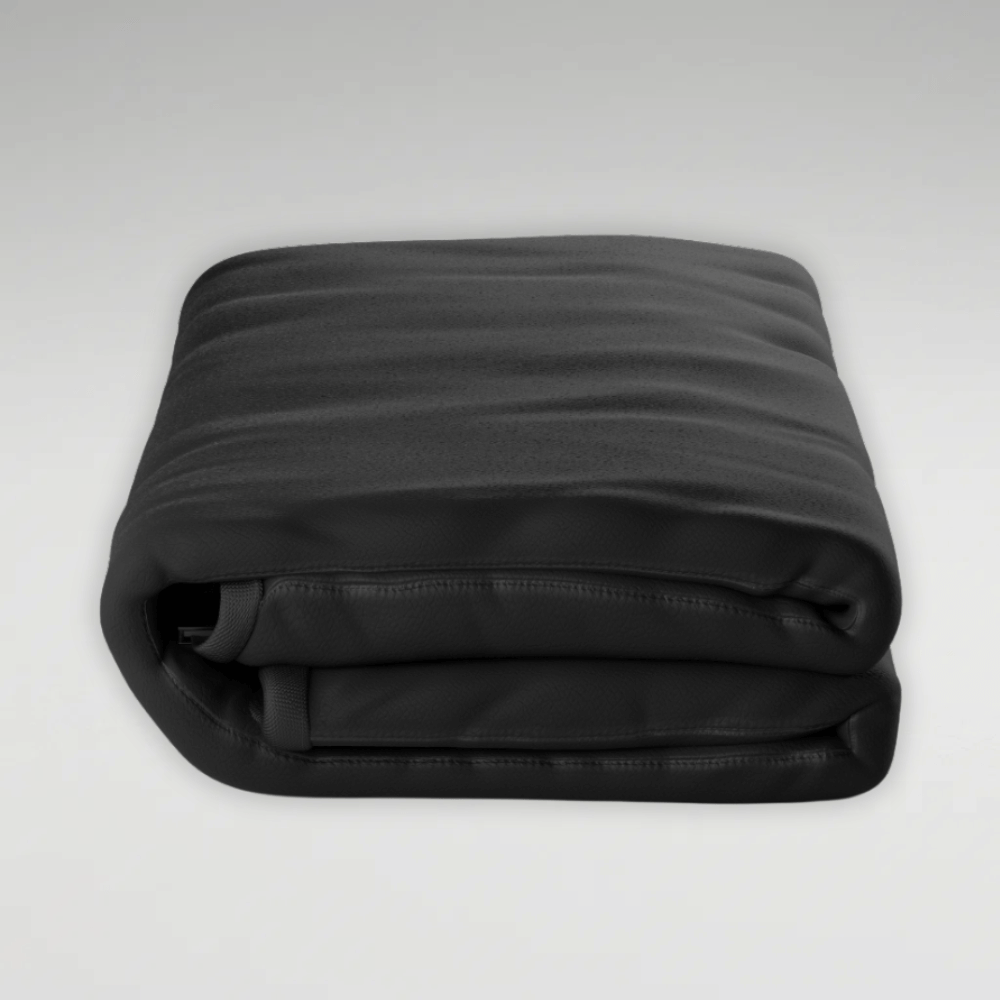
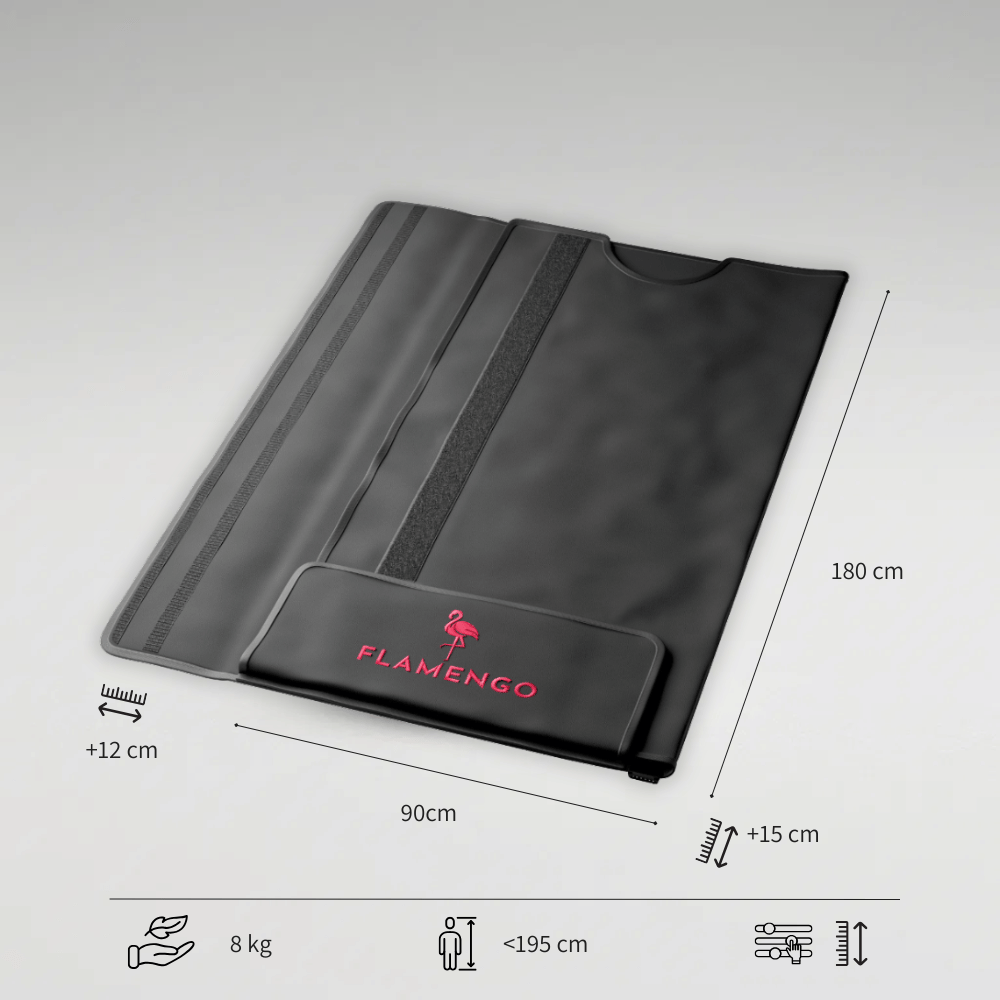
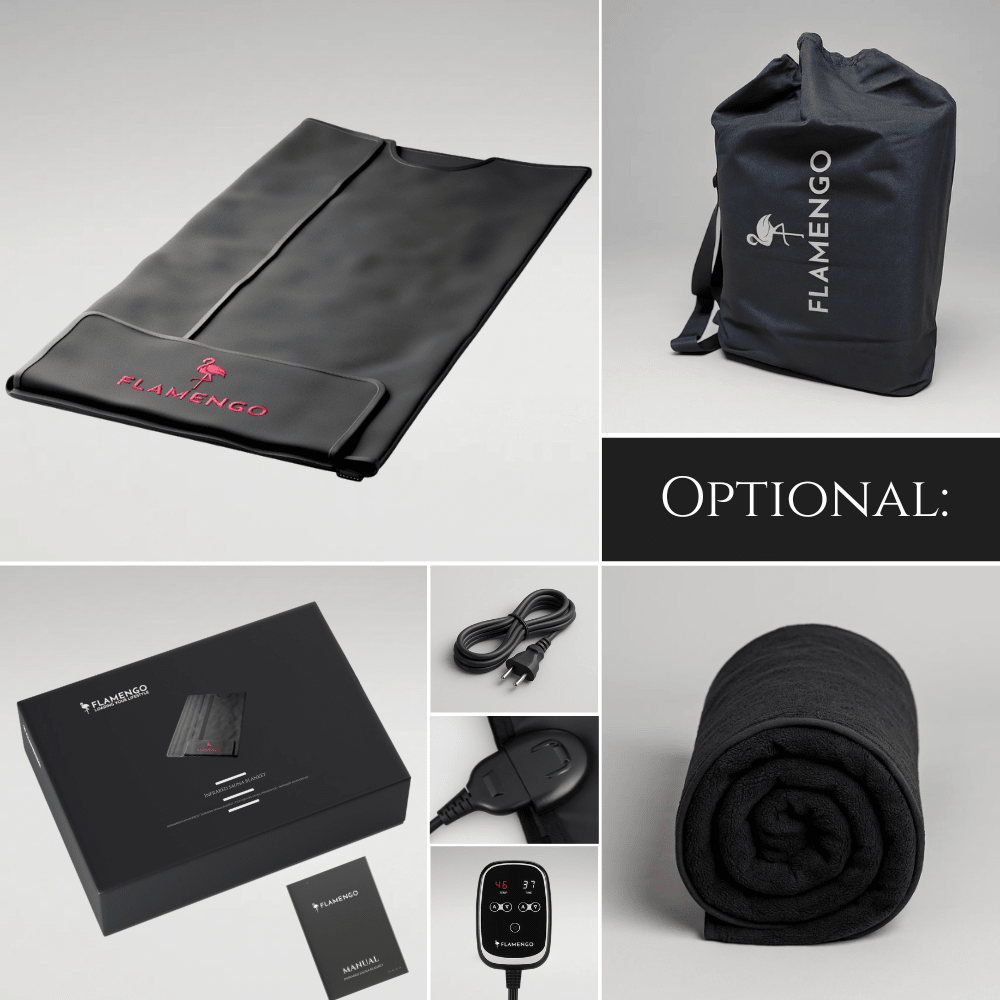
The sauna blanket offers the same benefits as a cabin — without the practical disadvantages
Who should avoid an infrared sauna?
Don't use an infrared sauna, or only after consulting a doctor, if you:
- Are pregnant
- Have heart problems
- Have diabetes
- Have high blood pressure
- Take certain medications
- Have a fever or are ill
- Have acute inflammation
- Have serious skin conditions
Sauna blanket vs sauna cabin — disadvantages compared
An infrared sauna blanket solves many of the practical disadvantages of a cabin:
| Aspect | Flamengo sauna blanket | Infrared cabin |
|---|---|---|
| Energy use | ✓ Only 650W | ✗ Min. 3,000W |
| Purchase price | ✓ Affordable | ✗ €2,000 – €8,000+ |
| Space needed | ✓ Fits in a cupboard | ✗ Separate room required |
| Infection risk | ✓ Always private use | ✗ With shared use |
| Head outside | ✓ Head stays free | ✗ Fully enclosed |
| Portable | ✓ Use anywhere | ✗ Permanently installed |
How do you turn disadvantages into benefits?
Most disadvantages of an infrared sauna can be solved directly. If you're mindful of temperature, hydration and session length, you'll experience the many benefits instead: better circulation, muscle relaxation, better sleep and pain relief for chronic complaints such as rheumatism and fibromyalgia.
The key is building up. Start low, listen to your body and increase gradually. Then infrared energises you rather than exhausting you.
Frequently asked questions about the disadvantages of infrared saunas
When used correctly, an infrared sauna is not dangerous. The risks are manageable if you build up the temperature, drink enough and don't use it during acute medical conditions. If in doubt, always consult your doctor.
Daily use is safe for most people at moderate temperatures with sessions of 20 to 30 minutes. Start with 3 to 4 times a week and build up gradually to daily use once your body is used to it.
Yes, provided it is used during a calm phase of the disease and not during acute inflammation. Heat can relieve pain and improve mobility in rheumatism. If in doubt, consult your rheumatologist or physiotherapist.
For beginners, sessions of 15 to 20 minutes are recommended. Experienced users can build up to 30 to 45 minutes. More than 45 minutes is not recommended.
An ordinary heated blanket only warms the surface of the skin. Infrared heat penetrates deeper into muscles and joints and therefore has a therapeutic effect that surface heat doesn't offer.
Conclusion
An infrared sauna certainly has disadvantages — but almost all of them are easy to manage. If you use infrared mindfully and gradually, you benefit from the many therapeutic advantages without unnecessary risks. Know the disadvantages, tackle them, and get the most out of every session.