Improve your circulation — 7 ways that really work
Improve your circulation — 7 ways that really work
Suffering from cold feet, heavy legs or tingling hands? It's often down to reduced circulation. We set out the seven most effective ways to improve your blood flow.
Your blood circulation determines how well every cell in your body is supplied with oxygen and nutrients. When that system falters, you feel it: cold feet, fatigue, heavy legs, dull skin. In this article: how to recognise poor circulation, and what you can practically do about it.
What is poor circulation?
Poor circulation means your blood no longer flows optimally through your body. This can be due to narrowed or stiff blood vessels, sluggish heart function, blood that's too thick (often due to dehydration) or a combination of these. Lifestyle often plays a big role: too little exercise, prolonged sitting, smoking, stress or a shortage of certain nutrients.
Reduced circulation is usually not acutely dangerous, but it is a signal that something needs attention. Left untreated, it can contribute in the long term to varicose veins, cardiovascular disease or even thrombosis.
Symptoms of poor circulation
The first signs of reduced circulation are often subtle. Below are the seven most common symptoms — if you recognise a few, it's a good moment to take action.

The seven most common symptoms of reduced circulation
When to see your GP?
Unsure whether it's something you can tackle yourself? See your GP if you suddenly develop severe pain in one leg, a leg swells or feels warm, you become short of breath for no clear reason, or tingling persists for more than a few weeks. That may point to thrombosis or another medical cause that can't be solved through lifestyle.
Improve your circulation — 7 effective ways
The seven methods below are proven to improve circulation. Not as a secret recipe, but as a practical approach you can build into your daily routine.

Seven ways to improve your circulation, in order of impact
Exercise is by far the most powerful way to improve circulation. Every time your muscles contract, they help pump blood back towards the heart. Walking, cycling, swimming or yoga all work. Aim for 30 minutes a day — and instead of one long session you can split it into three lots of ten minutes.
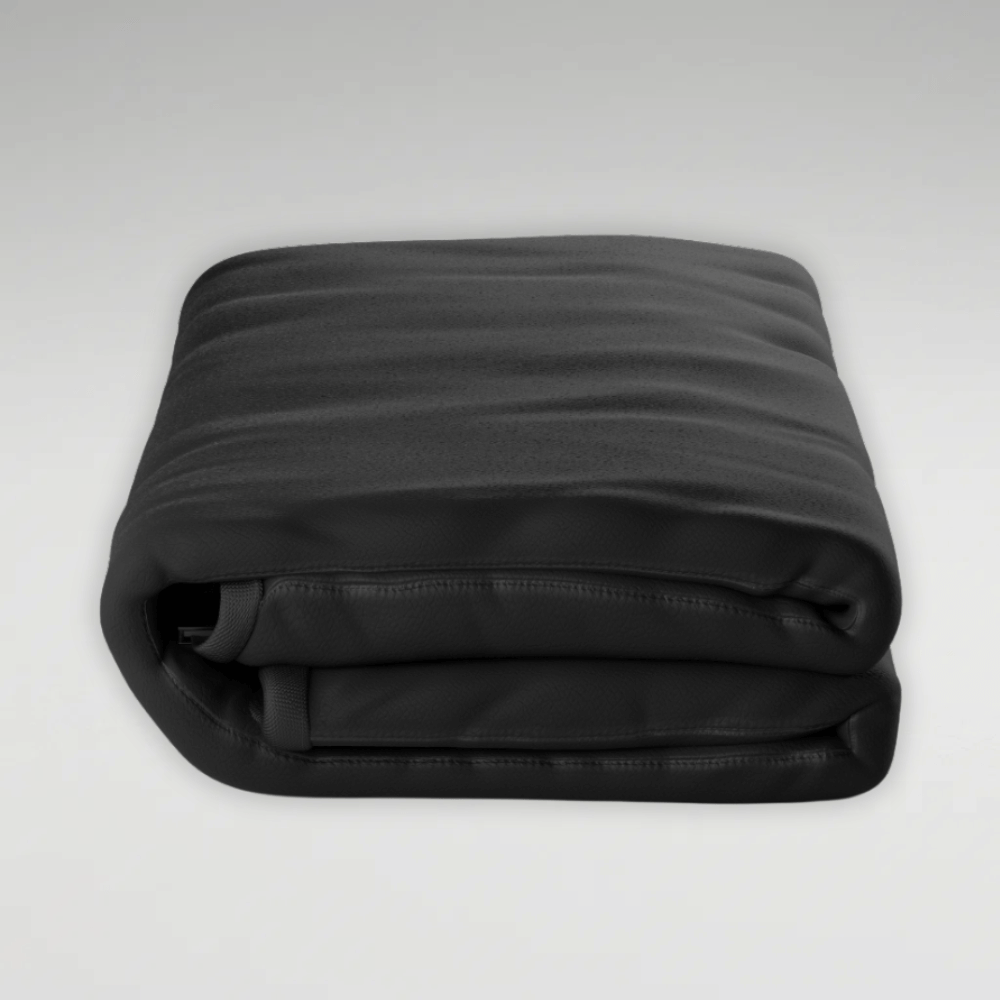
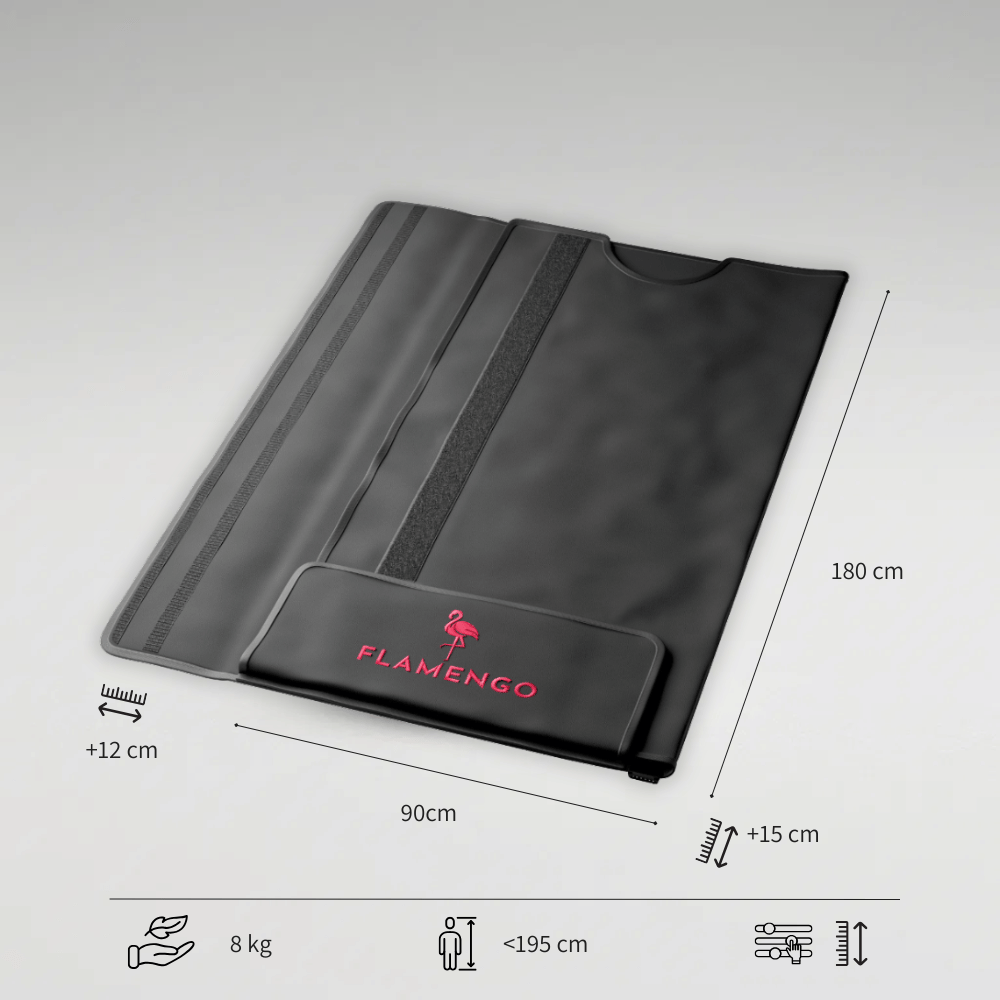
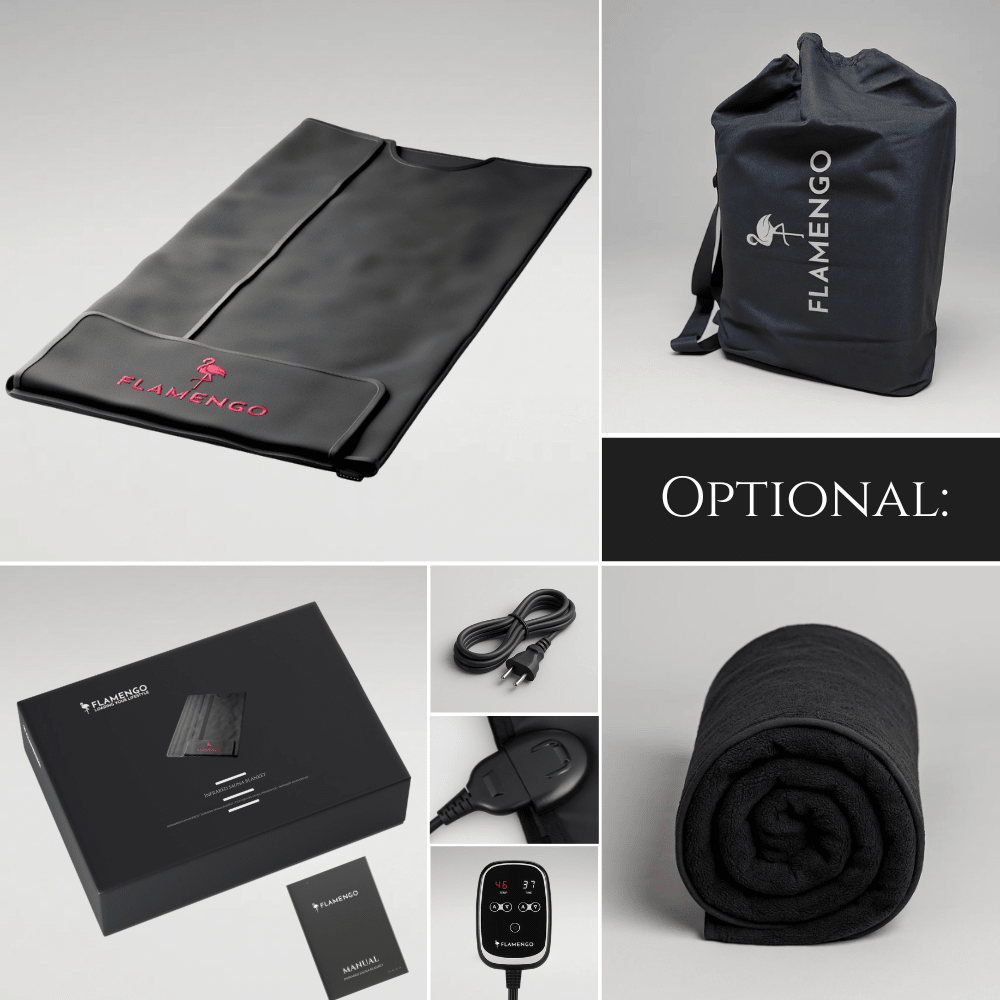
Infrared heat penetrates into the skin and the tissue beneath it, causing blood vessels to widen (vasodilation). Infrared also stimulates the production of nitric oxide, a molecule that relaxes blood vessels and improves blood flow. With regular use — 2 to 3 sessions a week of 20 to 30 minutes — many people notice an improvement in cold hands and feet within a few weeks.
Drinking too little makes your blood thicker and more viscous, so your heart has to pump harder to move it around. Aim for 1.5 to 2 litres of water a day, more in warm weather or when exercising. Caffeine and alcohol don't count — they actually dehydrate you.
Certain foods directly support circulation. Omega-3 fatty acids from oily fish keep blood vessels supple. Berries, dark leafy greens and beetroot provide nitrates that widen blood vessels. Warming spices such as ginger, turmeric and cayenne pepper stimulate circulation. At the same time, limit saturated fats, too much salt and sugar.
Contrast therapy — alternating hot and cold — is one of the most effective ways to train your blood vessels. Heat widens the vessels, cold constricts them. Repeatedly switching works like a 'vascular workout' that improves the elasticity of blood vessels and increases circulation.
In practice: 15 to 20 minutes of infrared sauna or sauna blanket, followed by 2 to 3 minutes of cold shower or ice bath. Two to three times a week.
Compression helps actively pump blood in the legs back towards the heart. For people with heavy legs or early varicose veins, support stockings can already bring relief. Recovery boots — inflatable compression boots — work more intensively: they push blood upwards in waves, comparable to professional lymphatic drainage.
Particularly useful for people with standing or desk jobs, athletes looking for muscle recovery, and anyone who regularly suffers from swelling in the legs.
Smoking narrows blood vessels immediately and damages the vessel walls in the long term. The good news: within just two weeks of quitting, your circulation improves noticeably. Cold hands and feet get warmer, fitness improves and the risk of cardiovascular disease falls quickly.
How exactly does infrared affect circulation?
Infrared heat has three demonstrable effects on circulation, which reinforce each other:
1. Vasodilation — blood vessels widen
The heat relaxes the smooth muscles in the blood vessel walls. The vessels widen, more blood can flow through, and blood pressure drops slightly. This effect is measurable even during a 20-minute session.
2. Nitric oxide production
Infrared radiation stimulates the endothelium — the inner lining of blood vessels — to produce more nitric oxide. This molecule keeps blood vessels relaxed and improves blood flow. Athletes and cardiologists know nitric oxide as important for endurance and heart health. As a result, circulation improves structurally, not just during the session.
3. Increased heart rate and blood flow
During an infrared session your heart rate rises slightly — comparable to moderate exercise. The heart pumps more blood around, delivering more oxygen and nutrients to every cell. For people who can't exercise much for medical reasons, infrared can be a valuable alternative to still get cardiovascular activation.
Sauna blanket, ice bath or recovery boots — which suits you?
Three effective tools for improving circulation, each working in its own way. Which one suits you?
| Tool | How it works | Best for |
|---|---|---|
| Infrared sauna blanket | Heat widens blood vessels and stimulates circulation from within | Whole body, relaxation, cold hands and feet |
| Ice bath / cold bath | Cold constricts blood vessels, then strong expansion afterwards gives a 'flush' | Quick recovery, energy, mental focus |
| Contrast therapy (hot + cold combination) |
✓ Strongest effect — trains the vascular response | Optimal circulation, vascular fitness |
| Recovery boots | Mechanical compression pumps blood up out of the legs | Heavy legs, sports recovery, lymphatic drainage |
For anyone who truly wants to get the most out of improving their circulation, contrast therapy is the most effective method. The sauna blanket and ice bath work well on their own — but the combination of hot and cold trains the blood vessels in a way neither does separately.
When should you be careful with heat or cold?
- Heart problems or recent heart surgery
- Untreated high blood pressure
- Diabetes with reduced sensation in the feet
- Deep vein thrombosis or a recent history of thrombosis
- Pregnancy (especially the first trimester)
- Use of blood thinners
- Acute infections or fever
Frequently asked questions about circulation
You see the fastest effects by moving straight away — a short walk or 5 minutes of ankle rotations gives measurably better circulation within minutes. For a lasting effect, daily exercise, drinking enough water and regular use of infrared heat or contrast therapy help.
The most common signs of poor circulation are cold hands and feet, tingling or numb limbs, heavy tired legs, dry skin and brittle nails, slow wound healing, varicose veins and loss of concentration. If you recognise several symptoms, it's a good time to take action or consult your GP.
Reduced circulation is usually not acutely dangerous, but left untreated it can contribute to varicose veins, cardiovascular disease or thrombosis. Seek medical help immediately for sudden severe leg pain, swelling on one side, unexplained shortness of breath or chest pain — these may be signs of something more serious.
For the legs specifically: walk regularly, do calf exercises (standing on tiptoe), raise your legs when resting, use compression stockings or recovery boots, and apply infrared heat to the lower legs. Avoid sitting for long periods with crossed legs and don't wear clothing that's too tight.
Yes, several studies show improvements in blood pressure, vascular function and circulation with regular use. The heat widens blood vessels, stimulates nitric oxide production and slightly raises the heart rate — comparable to moderate exercise. With 2–3 sessions a week, improvement is usually noticeable after a few weeks.
Vitamin C supports strong blood vessel walls and circulation, vitamin E keeps blood flowing and prevents clotting, vitamin B3 (niacin) widens blood vessels, and omega-3 fatty acids improve overall vascular function. A balanced diet with vegetables, fruit, oily fish and nuts usually provides enough of these.
Natural methods that work: daily exercise, drinking enough water, a diet with omega-3 and nitrates (berries, leafy greens, beetroot), warming spices (ginger, cayenne pepper), quitting smoking, and regular contrast therapy with hot and cold. No medication needed — consistency is what makes the difference.
With a daily active approach, the first improvements — fewer cold hands and feet, more energy — are often noticeable after 2 to 4 weeks. For lasting improvement in vascular function and heart health you need 8 to 12 weeks of consistent behaviour. The effect lasts as long as you keep up the habits.
Conclusion
Improving your circulation is largely in your own hands. Exercise, hydration, diet and quitting smoking form the foundation. For those who want more — a targeted effect on cold hands, heavy legs or cardiovascular recovery — infrared heat, contrast therapy and compression are a powerful addition. Start small, stay consistent, and you'll feel the first improvement within a few weeks.