

Research into heat stress
Environmental stress, such as extreme heat stress or cold stress, is often seen as a challenge to our health and the body's balance. Yet our body is able to adapt reasonably well to both hot and cold environments.
Various studies have even shown that heat stress, particularly in the form of a sauna, can be very beneficial for our health, independently of other lifestyle factors.
The effects
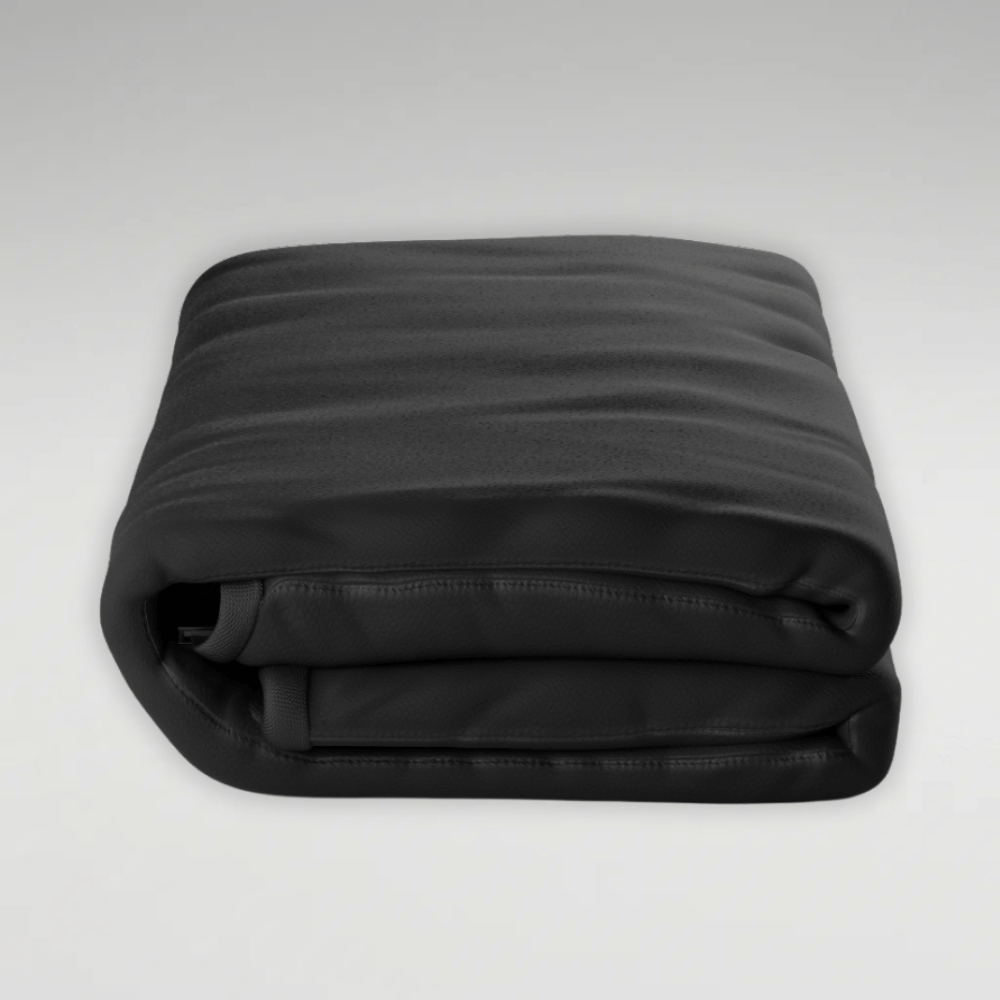
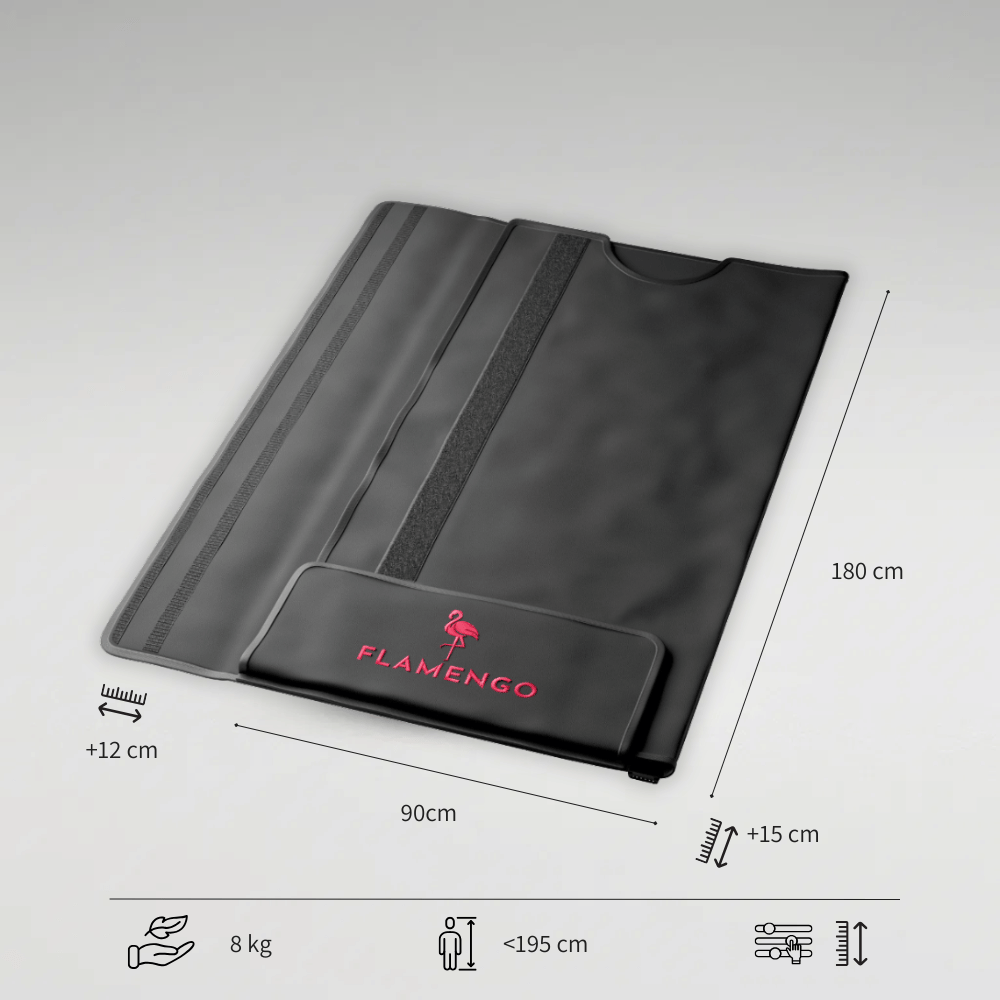
The main aim of this article is first to discuss the general cardiovascular and other responses to acute heat stress. We then look at the beneficial effects of taking a sauna, such as a Finnish sauna or an infrared sauna (blanket): the effects on general health, cardiovascular health and the risk of dementia and Alzheimer's disease. There are reasons that may explain these benefits, including improved function of the large and small blood vessels in our body, lower blood pressure and reduced arterial stiffness. There may also be increased growth of new blood vessels in humans.
Response to heat stress
First, it is important to understand how our body responds to heat stress. Heat is a challenge for the body, but normally it can respond well to maintain a normal body temperature. During acute heat stress, blood flow to the skin increases and the body starts to sweat to get rid of heat. This is accompanied by lower blood pressure and an increased heart rate. During prolonged heat stress, breathing also speeds up, which can lead to reduced blood flow to the brain.
Sweating during a sauna session affects the body's fluid balance. Sweating is the body's natural way of cooling down when exposed to high temperatures. It helps regulate body temperature and remove waste products. By sweating in the sauna, the body can cool itself, which contributes to a feeling of relaxation and stress relief. Sweating in the sauna therefore usually has a positive effect on the body's wellbeing. It is important, however, to restore your fluid balance by drinking enough.
Regularly
Repeated exposure to heat, such as in a Finnish or infrared sauna, has similar beneficial effects to regular exercise. It can improve blood vessel function, lower blood pressure and stimulate blood flow to the skin and muscles. A notable adaptation to repeated heat exposure is that our body temperature drops, making us more resistant to heat. The interactions between the cardiovascular system and the brain may also contribute to the beneficial effects of sauna bathing on brain health. In addition, the increased blood flow to the brain resulting from sauna bathing may improve brain function.

Nerve cells in the brain
Brain function can therefore improve thanks to the heat stress of the sauna. A sauna may therefore be helpful in countering Alzheimer's, for example. It improves the blood vessels and blood flow to the brain. This can help prevent damage to brain cells and reduce the risk of neurodegenerative conditions such as Alzheimer's and dementia. In addition, the relaxing effect of a sauna can reduce stress, which may help maintain healthy brain function.
Cardiovascular disease
Sauna bathing can have a positive effect on our cardiovascular health. People who use a sauna regularly have a lower risk of cardiovascular disease and sudden cardiac death. Sauna bathing can lower blood pressure and improve heart function.
The infrared sauna is a more modern variant of the traditional Finnish sauna and works differently. Whereas a Finnish sauna heats the air, an infrared sauna heats the body directly by means of infrared radiation. This can penetrate deeper into the body and may offer comparable health benefits. Research has shown that infrared saunas have similar effects on cardiovascular function and blood pressure to traditional sauna bathing.
Heat stress and cold stress
Besides the positive effects of heat stress, we also want to mention the physiological response to cold stress and the activation of brown adipose tissue. The sauna is often combined with cooling, with some people spending a short time in ice-cold water after a sauna. Cold exposure, such as in a cold-water bath, can be beneficial in reducing body fat and stimulating blood flow. Cold exposure can also promote the activation of brown adipose tissue, which can lead to increased energy expenditure. It may also help prevent an excessive amount of body fat and related health problems linked to metabolism and the heart and blood vessels.
Taking an ice bath after a sauna creates an extreme temperature contrast. This provides extra stimulation of the blood vessels and improved blood circulation, which can contribute to better health and recovery. Alternating between heat and cold stress can help reduce body fat and promote health.
Caution
It is important to stress that although heat stress and cold exposure may be beneficial for our health, caution is needed, especially for people with underlying health conditions. It is always wise to consult a doctor before trying these practices, especially if you have certain medical conditions.
Improve your overall health with heat stress
Although heat and cold are often regarded as stressful, our body can adapt physiologically to repeated heat sessions. This can lead to improved heat tolerance and overall health, as well as a lower risk of brain disorders such as dementia and Alzheimer's disease. Cold and heat stress, including sauna use, can be applied as a standalone therapy or as a complement to exercise and physical activity to maintain or improve our health. However, it appears that the greatest benefits for cardiac and all-cause mortality are achieved by improving physical fitness in combination with sauna bathing. This underlines that a range of lifestyle habits influence our health. Sauna bathing and other forms of heat stress are recommended as health-promoting habits.