Rheumatism Symptoms: 6 Early Signs & Self-Care

Rheumatism symptoms: 6 early signs and what you can do yourself
Rheumatism is a common autoimmune disease that affects 1 in 100 people in the Netherlands. Early recognition makes a big difference to treatment. Which symptoms point to rheumatism, and what sets it apart from ordinary joint pain or osteoarthritis?
- What exactly is rheumatism?
- The 6 main rheumatism symptoms
- Recognising rheumatism in the hands
- Early rheumatism – first signs
- Difference between rheumatism and osteoarthritis
- How is rheumatism diagnosed?
- 6 ways of supportive self-care
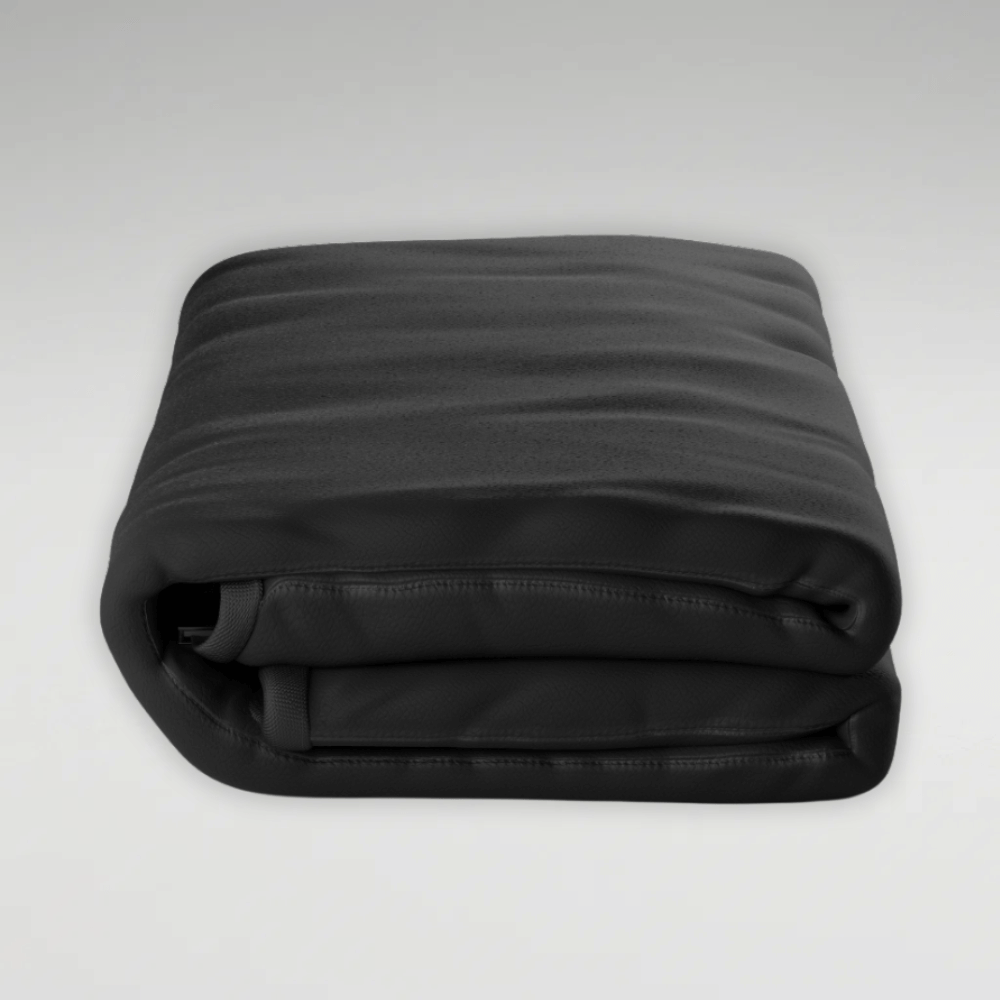
- The Flamengo sauna blanket for rheumatism
- Rheumatism and diet
- Frequently asked questions
Rheumatism – also known as rheumatoid arthritis – is a chronic autoimmune disease in which the body attacks its own joint tissue. Unlike osteoarthritis (wear of the cartilage), rheumatism is an inflammatory disease. Early recognition is crucial: the sooner the diagnosis, the better the treatment works and the more damage is prevented. In this article: the six most typical rheumatism symptoms, how to recognise early rheumatism in the hands, the difference from osteoarthritis and what you can do yourself alongside medication – think heat therapy, diet and targeted support – to ease symptoms and improve quality of life.
What exactly is rheumatism?
Rheumatism is an umbrella term for more than 100 different rheumatic conditions. In everyday language, "rheumatism" usually refers to rheumatoid arthritis – the most common form. It is a chronic autoimmune disease: the immune system sees its own joint tissue as "foreign" and attacks it.
The inflammation starts primarily in the joint capsule (synovium). Prolonged inflammation damages the cartilage, and over time the bones themselves can become deformed. Unlike osteoarthritis, which is mechanical wear, rheumatism is a biological process that affects the whole body – general fatigue, mild fever and weight loss are part of it too.
According to Reuma Nederland, around 200,000 Dutch people have rheumatoid arthritis. Women are affected 2–3 times more often than men. The average age at diagnosis: between 30 and 50 – although rheumatism can develop at any age, including in children (juvenile arthritis).
The 6 main rheumatism symptoms
What are the typical symptoms of rheumatism you should recognise? The six most important signs – especially when they occur together, they strongly point to rheumatism:

The six most typical rheumatism symptoms – recognising them can save your doctor a lot of work.
The most distinctive feature. With rheumatism, morning stiffness lasts longer than an hour – sometimes hours – before the joints feel normal again. With osteoarthritis, stiffness disappears within 30 minutes. Stiffness that lasts all morning and only improves later in the day is a strong signal of rheumatism.
Rheumatism typically affects both sides of the body at the same time: both hands, both feet, both wrists or both knees. Asymmetrical pain (one side only) points more towards osteoarthritis or overuse. The small joints of the hands and feet in particular are typical starting points.
With active rheumatism, joints swell, feel warm and can turn slightly red. Fingers become "sausage-shaped" or the knuckles look thicker. This is the visible effect of the inflammation. With osteoarthritis, this warmth and redness is usually absent. During these flare-ups a cold compress helps for immediate local relief – heat therapy is not suitable in this phase.
In 80% of cases, rheumatism starts in the hands – fingers (MCP and PIP joints), wrists and knuckles. The feet are the second most common site. Hips, knees and shoulders often only come into play later. Many people with rheumatism find that heat therapy with an infrared sauna blanket noticeably eases their hand complaints during calm phases – the deep heat relaxes the muscles around the joints and improves circulation right down to the smallest finger joints.
Rheumatism is a systemic disease – it affects the whole body, not just the joints. Many patients experience extreme fatigue, "as if I constantly have the flu". General malaise, reduced concentration and unexplained weight loss can also occur. These symptoms are often underestimated or put down to "stress". A calm evening ritual with heat therapy in an infrared sauna blanket activates the parasympathetic nervous system and supports deeper sleep – two factors that help reduce fatigue.
During a rheumatism flare, body temperature can be slightly raised – 37.5 to 38°C. This is a sign of active inflammation. Rheumatism has periods of active symptoms (flares) and calm periods (remission). This alternating pattern is typical.
Recognising rheumatism in the hands
In most cases, rheumatism starts in the hands. Rheumatism symptoms in the hands are the first signs for many patients – sometimes months or years before other joints are affected. How do you recognise them?
Specific hand symptoms
- Stiff fingers in the morning – difficulty making a fist or opening a bottle right after getting up;
- "Sausage-shaped" fingers – knuckles look swollen, fingers look thicker;
- Pain when gripping – squeezing is painful, strength is reduced;
- Symmetry – typically the same fingers hurt on the left and right;
- MCP and PIP joints – knuckles (where the fingers join the hand) and middle finger joints are most often affected;
- Noticeable warmth – hands feel warm to the touch, sometimes visibly red;
- Stiffness after inactivity – after sitting still or typing for a long time, fingers become stiff.
Rheumatism hand test – a simple self-test
A simple self-test to see whether your hand symptoms might point to rheumatism:
- Make a fist: can you make a firm fist straight away in the morning? With rheumatism it usually takes 30–60 minutes before you can.
- Symmetry check: do both hands hurt in the same places at the same time?
- Squeeze: can you squash a pea between your thumb and index finger without pain?
- Compare with the other side: does one knuckle feel warmer or thicker than the other?
Practical relief for hand complaints
Alongside medical treatment, there is a lot you can do to relieve symptoms of rheumatism in the hands:
- Heat therapy in calm phases: most people with rheumatism we speak to find that regular sessions in an infrared sauna blanket make their hands looser and less painful. The deep infrared heat – FIR supplemented with a share of MIR – which also reaches the small hand joints via the circulation, works more effectively than superficial heat;
- During an acute flare: a cold compress during swelling and redness – cold reduces local inflammation;
- Compression: special arthritis gloves provide light pressure and warmth and help with daily activities;
- Hand exercises: 5–10 minutes a day of gentle stretching and mobility exercises under the guidance of a hand therapist;
- Ergonomics: wide pen grips, opening aids, lightweight crockery – small adjustments that make daily life easier.
Early rheumatism symptoms – first signs
The first signs of rheumatism are often missed or put down to fatigue, stress or "getting older". Which early rheumatism symptoms are there specifically?
Gradually noticing that the first 30–60 minutes of the day are stiff. What starts as 15 minutes can grow to 1–2 hours over weeks to months. Often played down ("I just need to get going").
Persistent tiredness that rest does not solve. The body is fighting chronic inflammation – energy is used up by the immune system. Many patients describe it as "deep exhaustion" without any clear reason.
First the fingers hurt, then a few days without complaints, then suddenly a knee or wrist. The pain shifts between joints. This erratic pattern distinguishes early rheumatism from overuse.
Subtle things: dropping a glass of water, struggling to open bottles, doing up buttons takes longer. People often put it down to getting older – but with rheumatism it is caused by inflammation and pain.
Pain in the forefoot in the morning when getting up, as if you are walking on pebbles. People often blame bad shoes, while it may be early rheumatism. The second place after the hands where it shows itself.
- 3 or more rheumatism symptoms present for 6+ weeks;
- Morning stiffness lasting longer than 1 hour;
- Symmetrical joint pain (both hands, both feet);
- Joint pain combined with extreme fatigue;
- Rheumatism in the family (first-degree relative).
Difference between rheumatism and osteoarthritis
Rheumatism and osteoarthritis are often confused – both involve joint pain. But physiologically they are fundamentally different. A comparison:

Rheumatism (inflammation) versus osteoarthritis (wear) – different diseases, different treatments.
| Characteristic | Rheumatism | Osteoarthritis |
|---|---|---|
| What it is | Autoimmune inflammation | Wear of the cartilage |
| Type of pain | Symmetrical, at rest | Asymmetrical, under load |
| Morning stiffness | Longer than 1 hour | Shorter than 30 minutes |
| First site | Hands, fingers, wrists | Knees, hips, fingers |
| General symptoms | Fatigue, fever, malaise | Local complaints only |
| Swelling + warmth | Common | Rare |
| Age of onset | Mainly 30–50 years | Mainly 50+ |
| Treatment | Medication (DMARDs) essential | Self-management, physio, heat |
| Prognosis without treatment | Damage increases | Gradual worsening |
How is rheumatism diagnosed?
Rheumatism is diagnosed by a GP or rheumatologist based on a combination of symptoms, physical examination and lab tests. No single test proves rheumatism on its own – it is a jigsaw-puzzle diagnosis.
Step 1: Medical history and physical examination
The GP asks about the nature of the complaints (which joint, how long, morning stiffness, symmetry, fatigue) and examines the joints for swelling, warmth and restricted movement. Family history is also taken into account – rheumatism has a hereditary component.
Step 2: Blood tests
Several blood values provide insight:
- Anti-CCP (anti-cyclic citrullinated peptide): the most specific test for rheumatism – positive in 70–80% of rheumatism patients;
- Rheumatoid factor (RF): an older test, less specific but still used;
- CRP and ESR (sedimentation rate): inflammation markers – raised in active rheumatism;
- ALT/AST: liver tests for reference (relevant for later medication);
- Blood count: white blood cells, haemoglobin (anaemia can occur).
Step 3: Imaging
X-rays of the hands and feet show early damage to cartilage or bone. Ultrasound or MRI can make inflammation in the joint capsule visible – more sensitive than X-rays for early stages.
Step 4: Referral to a rheumatologist
If there is a strong suspicion, the GP refers you to a rheumatologist – a specialist in rheumatic conditions. They confirm the diagnosis and draw up the treatment plan. Starting medication (DMARDs) early can prevent a lot of future damage.
6 ways of supportive self-care for rheumatism
Alongside medication, there is a lot you can do to reduce your symptoms and improve your quality of life. The six most important ways:

Supportive self-care – a complement to medical treatment, not a replacement.
With rheumatism, heat is a nuanced subject. In calm phases (no flare) heat therapy helps against morning stiffness and general joint tension. A session in an infrared sauna blanket relaxes the muscles around the joints and improves circulation. During an active flare (swelling, warmth, redness), cold is better – cooling reduces inflammation. Also read our page on rheumatism and the infrared sauna blanket.
Inactivity makes rheumatism worse – stiffness increases and muscles weaken. But overly intense exercise during flares is also not advisable. The sweet spot: swimming, aqua fitness, cycling, walking and yoga. 30 minutes a day, 5 times a week. During flares: adapted exercises under the guidance of a physiotherapist.
Diet has a real impact on rheumatism symptoms. The Mediterranean diet has the strongest evidence: plenty of vegetables, fruit, oily fish, olive oil, nuts and pulses. Avoid: processed meat, refined sugar, trans fats and too much red meat. Some people with rheumatism benefit from a gluten-free or dairy-free diet – try it for 4–6 weeks to test.
Excess weight puts strain on the joints and amplifies inflammation. Fat tissue produces inflammatory cytokines. For overweight patients: losing 5+ kg significantly reduces rheumatism symptoms. Combine this with low-impact exercise and a Mediterranean diet for the best result.
Stress is a known trigger for rheumatism flares. Cortisol and activation of the sympathetic nervous system disrupt the immune system. Daily practice: meditation, breathing exercises, yoga, time in nature, limiting overload. Read our article on relaxing activities.
Poor sleep directly worsens rheumatism symptoms. Pain disturbs sleep, and conversely poor sleep lowers the pain threshold. Goal: 7–9 hours of quality sleep per night. Sleep hygiene: fixed times, a cool bedroom (16–18°C), no screens 1 hour before bed. An evening ritual with heat therapy 1.5–2 hours before bed can help – see our article on sauna before bedtime.
The Flamengo sauna blanket for rheumatism – proven support
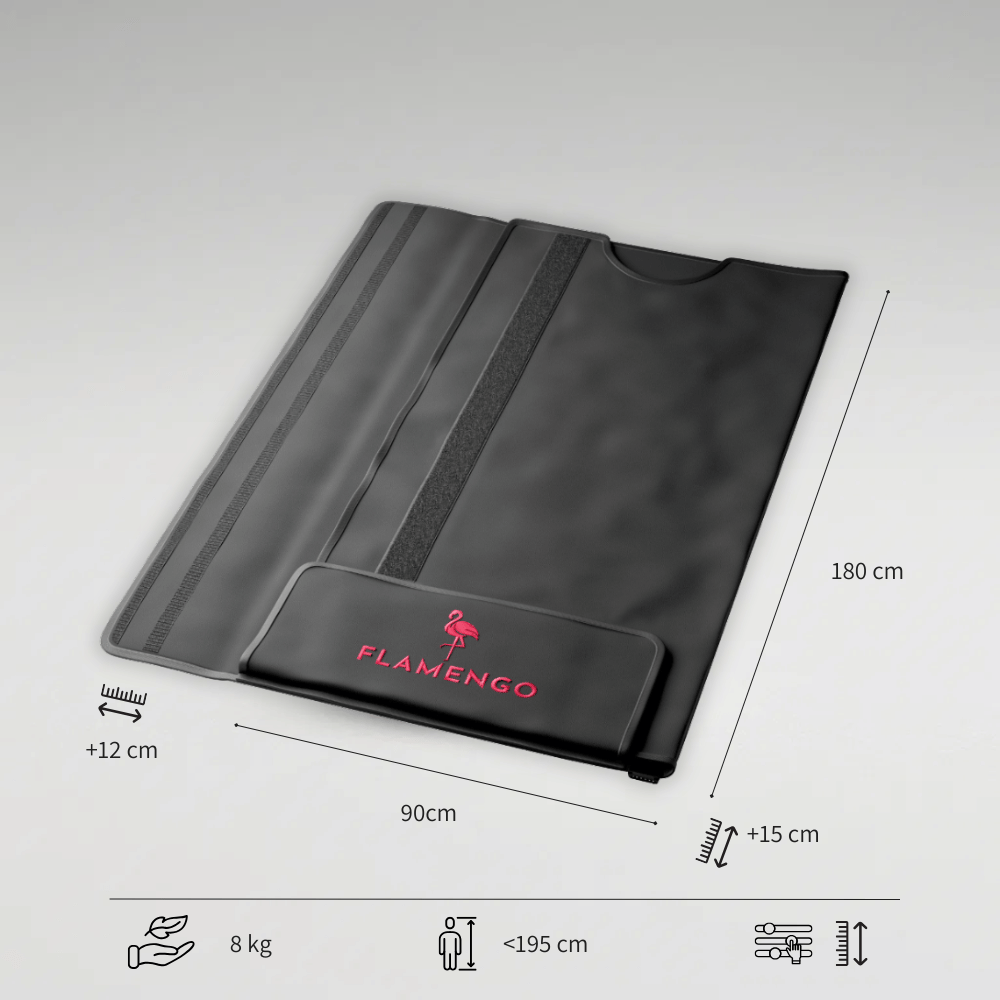
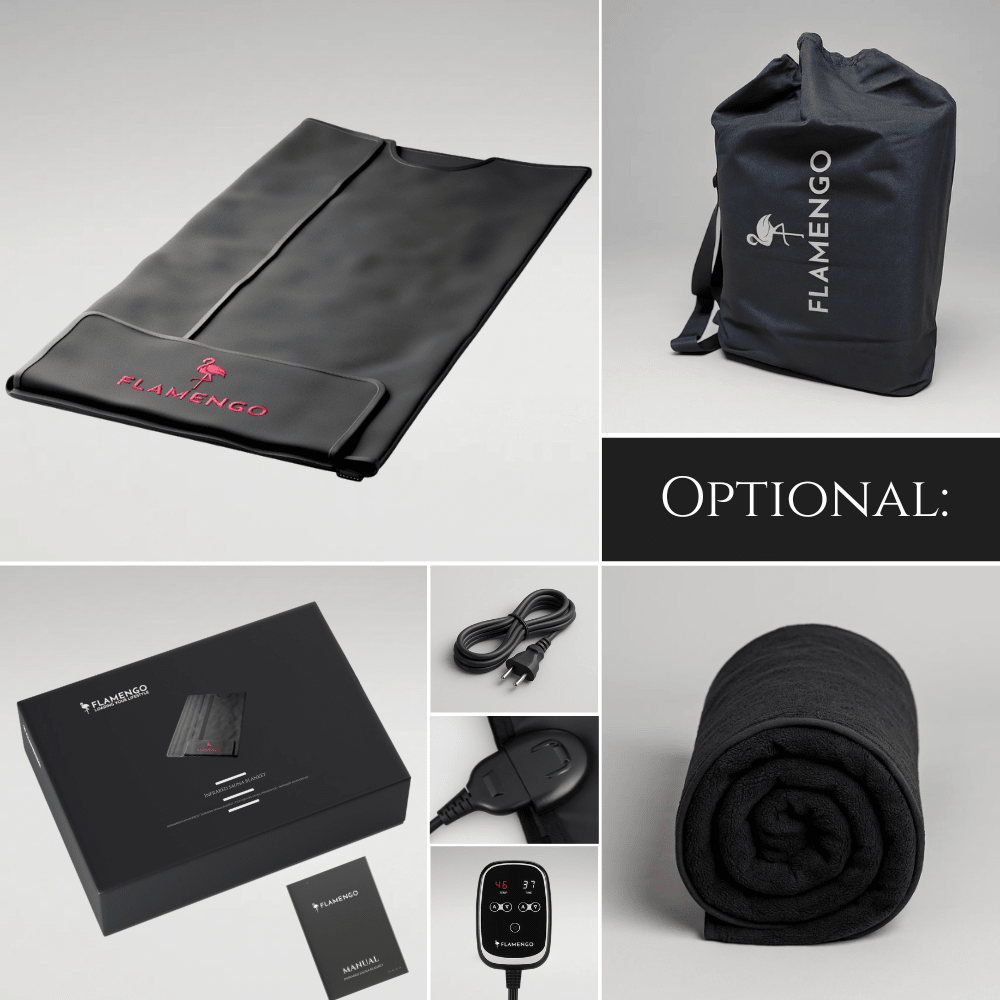
Of all the supportive measures for rheumatism, heat therapy with an infrared sauna blanket is one with which we have helped hundreds of people with rheumatism in recent years. It is not a miracle cure and does not replace medication, but the combination of deep heat and regularity brings noticeable relief for many people.
Why the Flamengo sauna blanket works for rheumatism
The Flamengo infrared sauna blanket emits mainly far infrared (FIR), with a small measured share of mid infrared (MIR). The radiation warms the skin, after which the heat also reaches the joints themselves via the greatly improved circulation – not just the skin. Read more about the measured wavelength spectrum here. For people with rheumatism, this means:
- Less morning stiffness: the most frequently reported improvement. What normally takes an hour or more before your joints loosen up can become noticeably shorter with an evening session the day before;
- Relaxing the muscles around the joints: with rheumatism, the surrounding muscles tense up for protection. The deep heat relaxes this protective reflex and reduces pressure on the painful joints;
- Better circulation right to the extremities: hands and feet – where rheumatism often starts – receive more oxygen and nutrients;
- Deeper sleep: rheumatism disrupts sleep, and poor sleep worsens rheumatism. An evening session 1.5–2 hours before bed lowers your body temperature just as melatonin is released – falling asleep faster and sleeping more deeply;
- Lower cortisol levels: stress is a known trigger for rheumatism flares. Heat therapy activates the parasympathetic nervous system ("rest and digest") – a natural stress reduction without side effects.
How do you use the sauna blanket for rheumatism?
Based on what we hear from our customers with rheumatism, this approach works best:
- Frequency: 3 to 4 times a week. More often is fine, but regularity matters more than daily use;
- Temperature: start at 50–55°C for the first 1–2 weeks, building up to 55–65°C. Some people with rheumatism are extra sensitive to heat – listen to your body;
- Session length: 30 to 45 minutes. Beginners start with 20–25 minutes;
- Best time: in the evening, 1.5–2 hours before bed – a double benefit: joint relief plus better sleep;
- Only in calm phases: do not use during an active flare with swelling, warmth and redness – cold is better then;
- Hydration: drink 250–500 ml of water before and after each session – people with rheumatism can be extra sensitive to dehydration.
- Heat therapy only in calm phases – not during active flares with swelling and redness;
- Not a replacement for medical treatment – DMARDs are essential for rheumatism;
- Start with shorter sessions (20–25 min) and lower temperatures (50–55°C) to let your body get used to it;
- If in doubt about whether it suits your situation: consult your rheumatologist before you start.
Rheumatism and diet – what should you eat and avoid?
The question of "rheumatism and diet" comes up a lot. Although diet does not cure rheumatism, its impact on symptoms is real. The Mediterranean diet has the most research behind it.
| Do eat (anti-inflammatory) | Avoid (pro-inflammatory) |
|---|---|
| Oily fish (salmon, mackerel, sardines) | Processed meat (sausage, ham, hot dogs) |
| Extra virgin olive oil | Margarines with trans fats |
| Green leafy vegetables (spinach, kale) | Refined sugar |
| Berries (blueberries, raspberries, strawberries) | White flour, white rice |
| Nuts and seeds | Fried food and processed snacks |
| Turmeric, ginger, garlic | Excessive alcohol |
| Whole grains | Sugary soft drinks |
| Pulses | Lots of red meat (max 2x/week) |
Frequently asked questions about rheumatism
The first symptoms of rheumatism are usually: morning stiffness lasting longer than an hour, symmetrical joint pain (especially in the hands and fingers), unexplained fatigue and mild swelling of fingers or knuckles. The pain often migrates between joints. If 3 or more of these complaints last 6+ weeks – see your GP.
Rheumatism has a hereditary component, but is not directly hereditary in the sense of, say, a genetic disease. If a first-degree relative has rheumatism, the risk is 3–5x higher than normal. Heredity accounts for about 50%, environmental factors (smoking, hormones, infections) for the other 50%.
Rheumatism is autoimmune inflammation – the body attacks its own joints. Osteoarthritis is mechanical wear of the cartilage due to load and time. Rheumatism is symmetrical (both sides at once), involves longer morning stiffness (>1 hour) and affects the whole body (fatigue, fever). Osteoarthritis is asymmetrical, with short stiffness (<30 min) and only local complaints.
It depends on the phase. During a flare (swelling, warmth, redness): cold – reduces inflammation. In calm phases and with morning stiffness: heat – relaxes the muscles around the joints and improves circulation. A Hot & Cold Wrap Pack gives you both options.
Mainly: processed meat (sausage, ham), refined sugar, trans fats, fried food, excessive alcohol and sugary soft drinks. These fuel chronic inflammation. Some people also react to nightshade vegetables (tomato, pepper), gluten or dairy – try eliminating them for 4–6 weeks to test.
Yes, and it is even recommended. Low-impact exercise (swimming, cycling, yoga, walking) strengthens the muscles around the joints and reduces symptoms. Avoid high impact (jumping, running on hard surfaces) and adapt exercises during flares. Guidance from a physiotherapist is ideal.
The GP first takes a medical history and carries out a physical examination. Then blood tests: anti-CCP (most specific), rheumatoid factor (RF), CRP and ESR (inflammation), blood count. If rheumatism is suspected, imaging (X-ray, ultrasound, MRI) and referral to a rheumatologist may follow. No single test proves rheumatism on its own – it is a combined diagnosis.
In calm phases (no active flare): yes, heat therapy relaxes the muscles around the joints, improves circulation and helps against morning stiffness. Do not use during active flares with swelling – cold is better then. Always in combination with prescribed medication, not as a replacement.
Conclusion
Rheumatism is a serious autoimmune disease that can lead to permanent joint damage without treatment. Recognising the six typical symptoms early – morning stiffness >1 hour, symmetrical pain, swelling with warmth, hands affected first, extreme fatigue and periodic fever – can make the difference. Have you had 3 or more of these complaints for 6+ weeks? Don't wait any longer – see your GP. Alongside medication (DMARDs are essential), supportive self-care helps improve quality of life. Of all the complementary measures, heat therapy with a Flamengo infrared sauna blanket has a noticeably positive effect for many people with rheumatism – less morning stiffness, better sleep and overall relaxation within 3–6 weeks of regular use. Combined with low-impact exercise, an anti-inflammatory diet, weight management, stress management and good sleep, you have a complete approach that makes a real difference alongside medication. Also see our dedicated page on rheumatism and the infrared sauna blanket for more background.
Ease morning stiffness and painful joints with daily heat therapy at home.
View the infrared sauna blanket →This article is for information only and does not replace medical advice. If you suspect rheumatism, always contact your GP. Rheumatism requires drug treatment – Flamengo supplies supportive wellness products, not medical devices.